How long does a new concrete driveway take to cure?
Many driveways can handle foot traffic after a day or two and cars after about a week. Full strength takes around 28 days. Your provider will give dates based on the mix and weather.
Say you are tired of a cracked, stained driveway and want a fresh start. A new concrete driveway is poured in place, shaped to drain water away, and finished for grip. Most of the work happens in a few busy days. After that, the slab keeps getting stronger for weeks.
Flashcrying Concrete is a referral service. We connect homeowners in Riverside with independent local providers who do the work. You can compare estimates, ask your questions, and decide with no obligation. Timing matters with concrete, so it helps to start the conversation early and plan around the weather.
Say you pull in after work and feel the car dip in the same spot it always does. Then you notice a crack you stepped over last spring is now wide enough to catch a shoe. That is often the moment people start looking for help.
Concrete driveway repair can make sense when the damage is small and new. When cracks keep spreading, a fresh slab often costs less over time than patch after patch. A local provider can look at yours and tell you which side of that line you are on.
Here is how the first hours usually go. The old concrete comes out early. The ground underneath is leveled and packed, and wooden forms mark the edges. Then the truck arrives, and the clock starts.
Timing shapes concrete. Once it is mixed, it begins to set within hours. The crew has a limited window to pour, smooth, and texture the surface. Rush it and you can get a weak top layer. Wait too long and the finish cannot be fixed.
Weather plays a part too. Long dry spells with warm air can pull moisture out of the top too fast. A surprise winter rain can pit a fresh surface. Wildfire smoke seasons may leave ash in the air, so some providers pick a clearer day. Good scheduling is part of good concrete.
Say it is day two. The slab looks finished, so you step out to admire it. Hold on. The surface may feel hard, but the concrete inside is still gaining strength.
Most providers ask you to keep off the surface for a day or two, and to keep cars off for about a week. Pets, bikes, and sprinklers should stay away too. Ask your provider for exact dates, since they depend on the mix and the weather.
Picture the slab at four weeks. Concrete reaches most of its strength around 28 days. This is often when a provider suggests sealing the surface, if you want it. Sealer helps with stains and wear, and it can make cleanup easier.
A driveway is a type of concrete flatwork, like walks and pads. The same skills apply, but driveways carry far more weight.
Start with how you use the space. Do two cars park side by side? Does a truck or camper sit there? Heavier loads usually call for a thicker slab and stronger base. Many homes use about four inches, but your provider can suggest what fits.
For finish, a light broom texture gives grip when it rains. A very smooth surface looks clean but can get slick. Color and patterns are possible too. If you are also dreaming about stamped concrete patios, those have their own page and their own planning.
The apron is the strip where your driveway meets the street. It often falls under city rules. Some areas also ask for a permit for new or widened driveways. Ask each provider who handles the paperwork and who pays the fees, and get the answer in writing.
Say you own a 1950s ranch with stucco walls on a slab. Your driveway should slope away from the house, not toward it. Water that pools near the garage can cause trouble over time. If you see cracked walls or sticking doors, that is a job for foundation repair experts, not a driveway pour. A good provider will tell you when something is outside their work.
Picture three estimates on the kitchen table. They look different, but are they the same job? Line them up and check these items:
A much smaller number can mean a thinner slab or a skipped step. Ask why before you decide.
There is no need to pick on the first visit. Flashcrying Concrete is a referral service, so the work is done by independent providers, not by us. Take your time, compare what you hear, and choose when it feels right. Asking for an estimate carries no obligation.
Providers break out the worn concrete, haul it away, and clear the space for fresh work.
A packed, level base sets the slope so water runs away from the house.
Edges are framed and rebar or mesh is placed to help hold the slab together.
The concrete is placed, smoothed, textured, and cut with joints before it sets.
Prices change with size, soil, access, and finish. These are typical U.S. ranges only, so ask each provider for a written quote.
| Item | Typical range | Notes |
|---|---|---|
| Old slab removal | $1 – $3 per sq ft | Thicker or reinforced concrete costs more |
| Basic broom-finish slab | $6 – $12 per sq ft | Common choice for plain driveways |
| Thicker or reinforced slab | $8 – $15 per sq ft | Helps with heavier vehicles |
| Color or decorative finish | $12 – $20 per sq ft | Stamping and stains add labor |
| Permit fees | $50 – $500 | Rules differ by city |
| Street apron or curb work | $500 – $3,000 | Often depends on city requirements |
Request a callback or use the request form to share your address and what you have in mind.
We connect you with independent local providers who handle new concrete driveway work.
Look at thickness, base, finish, permits, and timing before you choose anyone.
Pick the provider you trust and agree on a pour date that suits the weather.
Providers in our network work in your area and know local soil, weather, and city rules.
Look at more than one estimate side by side, so you can see what each job includes.
Asking questions or requesting an estimate carries no obligation, so you decide on your own schedule.
Flashcrying Concrete makes the introduction. The provider does the work and sets the price.
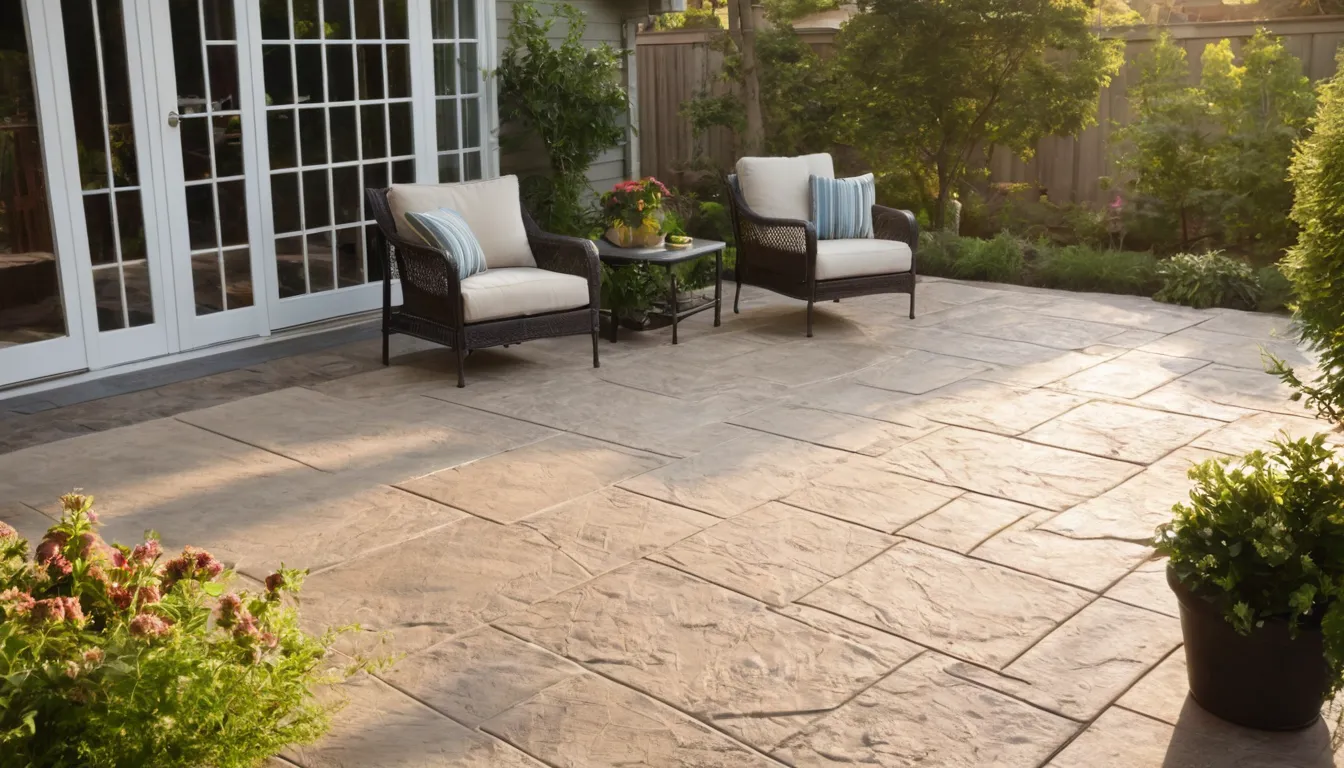
Planning a new driveway or patio? Request a callback to check provider availability, or send an estimate request and a local provider can reach out.
No obligationMany driveways can handle foot traffic after a day or two and cars after about a week. Full strength takes around 28 days. Your provider will give dates based on the mix and weather.
In the U.S., plain concrete often runs about $6 to $12 per square foot, and decorative finishes cost more. Size, base work, and removal change the total. Get written quotes from a few providers.
Often yes, especially if the work touches the street apron or changes the driveway width. Rules vary by city. Ask each provider who will handle the permit, and get that answer in writing.
Planning a new driveway or patio? Request a callback to check provider availability, or send an estimate request and a local provider can reach out.
No obligation